
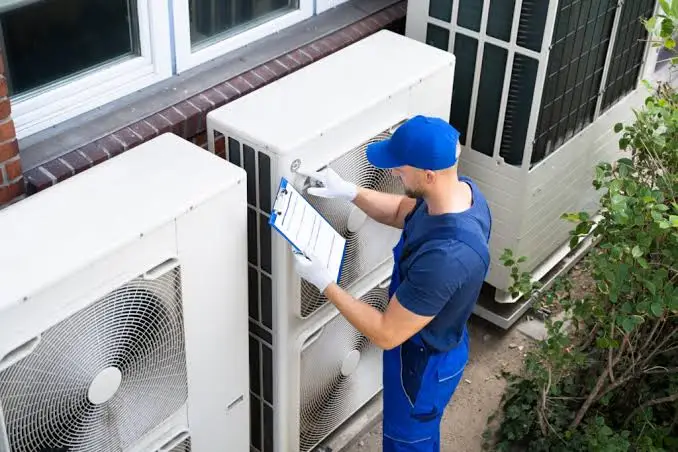
Ask a district facilities director what keeps them up at night and the answer is rarely one dramatic failure. It is the slow pile-up of small things: a filter change pushed back a month, a fire alarm test logged on paper and then lost, a roof drain nobody checked before the autumn rain. Each one is minor. Together they become the failed boiler in January and the audit finding in March.
A well-built preventive maintenance plan for schools is the thing that stops that pile-up. It turns good intentions into a documented system: what gets maintained, why it matters, who owns it, what it costs, and how you will know it is working.
This guide is about the plan itself, the strategy and structure behind the work. It covers how to assess your starting point, set priorities, handle differences between elementary, middle, and high school campuses, fund the work, staff it, manage vendors, and report results to a board or superintendent. If you want the calendar side in detail, our companion guide on preventive maintenance scheduling for schools covers how to lay tasks across the academic year.
Plan vs. Schedule: Why the Difference Matters
The two words get used interchangeably, but they do different jobs.
A schedule answers “what is due, and when?” A plan answers “what are we trying to achieve, which assets matter most, what resources do we have, and what happens when we fall short?”
A district can have a beautiful schedule and still have no plan. The telltale signs are familiar: nobody knows why certain intervals were chosen, budget requests are made from scratch every year, and priorities change with whoever complained last.
A real preventive maintenance plan for schools sits above the calendar. It contains:
- Goals the program is meant to achieve
- Scope, meaning which buildings and assets are covered
- Priorities based on risk and consequence
- Standards for how tasks are performed and documented
- Roles for staff, contractors, and administrators
- Resources, including labor, parts, tools, software, and budget
- Measures that show whether it is working
- A review cycle so it improves over time
Schedules are generated from the plan. If the plan is sound, the schedule almost builds itself. If you are brand new to the topic, our guide on how to start a preventive maintenance program is a good foundation to read alongside this one.
Why K-12 Schools Need a Written Plan
Public accountability
K-12 facilities are public assets, often funded by bonds, levies, or tax dollars. Boards and communities expect evidence that buildings are being looked after. A written plan lets you show what is being done and why, rather than relying on anecdotes.
Safety obligations
Children and staff occupy these buildings every day. Fire protection, water quality, emergency power, playground condition, and air quality all carry compliance and duty-of-care implications. A documented plan is your first line of defence in an audit or incident review.
Fixed operating windows
You cannot shut down a school to fix a chiller. Work has to fit into summer, breaks, and out-of-hours windows. A plan makes sure those scarce windows are used for the right jobs.
Budget pressure
Deferred maintenance rarely stays cheap. A small roof leak becomes a ceiling replacement, then mould remediation, then a classroom out of service. A plan gives you the evidence to argue for steady, predictable maintenance funding rather than emergency capital requests.
Staff turnover
Institutional knowledge often lives in one long-serving technician’s head. When they retire, the knowledge goes with them unless the plan has captured it.
Step 1: Assess Where You Are Today
Before designing anything, find out what you actually have. A baseline assessment should answer five questions.
- What assets do we have, and what condition are they in? Walk every building. Record equipment, age, location, and visible condition.
- What maintenance already happens? Interview technicians and contractors. You will often find good practices that were never written down, and written procedures that nobody follows.
- How much work is planned vs. reactive? Review the last twelve months of work requests. If most of the volume is emergency repairs, you are in firefighting mode, and the plan needs to be built around breaking that cycle.
- Where are the compliance gaps? List every inspection and test required by fire code, water safety rules, accessibility standards, and local regulations. Check which have current records.
- What resources do we really have? Count staff hours, contractor budgets, tools, and any software already in use.
Be honest in this step. A plan built on optimistic assumptions about capacity fails within a term.
A simple maturity check
Place your district roughly on this scale:
| Stage | What it looks like |
|---|---|
| Reactive | Repairs happen after failure; few records; compliance tracked by memory |
| Basic | Some recurring tasks exist; records scattered across paper and spreadsheets |
| Structured | Documented tasks and intervals; assigned owners; most compliance tracked |
| Managed | Plan tied to budget; KPIs reported; software drives work orders |
| Optimised | Intervals refined by failure data; planned work dominates; board receives regular reporting |
Most districts land between Basic and Structured. The goal of the plan is to move up one stage at a time, not to leap to the top.
Step 2: Set Goals the Plan Can Be Judged Against
Goals turn a plan from a to-do list into a management tool. Aim for a handful of measurable ones. For a K-12 district, sensible goals include:
- Raise the share of on-time preventive tasks to a defined target within a defined period
- Reduce emergency repair requests year over year
- Bring all compliance inspections to 100% on-time with complete records
- Reduce classroom or building closures caused by equipment failure
- Extend the service life of major assets such as roofs, boilers, and chillers
Avoid vague goals like “improve maintenance.” If you cannot measure it, you cannot report it to a board, and you cannot tell whether the plan is working.
Step 3: Define Scope and Rank Assets by Risk
You cannot do everything at once, and trying to do so is the most common reason plans collapse. Define scope deliberately, then rank assets by consequence of failure.
A three-question risk filter
For each asset or system, ask:
- Safety: If this fails, could someone be harmed?
- Compliance: Is there a legal or regulatory requirement attached?
- Continuity: If this fails, does a classroom, a building, or the whole school close?
Anything scoring yes on safety or compliance goes into the first wave of the plan. Anything affecting continuity goes into the second. Everything else, such as cosmetic and lifecycle items, is third wave.
| Priority | Typical K-12 assets |
|---|---|
| First wave | Fire alarm and sprinklers, emergency lighting, generators, eyewash stations, hot water temperature control, backflow preventers, playground equipment and surfacing |
| Second wave | HVAC and boilers, main electrical distribution, roof drainage, domestic water supply, kitchen equipment |
| Third wave | Flooring, painting, fencing, caulking, interior finishes |
This ranking also gives you a defensible answer when a stakeholder asks why their request is waiting. Safety and compliance came first, and the plan says so.
Step 4: Account for Differences Between Campuses
A district is not a single building, and elementary, middle, and high schools do not carry identical maintenance profiles. Build these differences into the plan rather than applying one template everywhere.
Elementary schools typically have playgrounds, smaller kitchens, and heavy restroom and plumbing use. Playground inspections, surfacing depth, and water fixtures deserve extra attention. Younger children also raise the stakes on slip hazards and temperature control.
Middle schools often mix both profiles: playground or outdoor spaces, gyms, and growing lab and technology demand.
High schools usually carry the largest and most complex assets: athletic facilities, bleachers, auditoriums, science labs with eyewash and ventilation requirements, commercial kitchens, larger HVAC plants, and sometimes pools. Events and evening use also shorten maintenance windows.
Older buildings across all levels bring their own concerns, from asbestos management to aging boilers, undersized electrical capacity, and legacy fire alarm panels.
A practical approach is to write a district-wide standard for each system, then add campus-level variations. That way the core procedures stay consistent while each building’s quirks are handled.
Step 5: Write the Tasks, Intervals, and Standards
Now translate priorities into specific, repeatable tasks. Each task should state:
- What is being inspected, tested, or serviced
- How often
- Which standard, code, or manufacturer guidance applies
- What “pass” looks like
- What records must be kept
- Who is qualified to do it
Take emergency lighting as an example. “Check emergency lights” is weak. “Test all emergency exit lighting monthly, confirm illumination and battery backup, record result and any failures, escalate failures to the facility manager the same day” is a task someone can actually complete and audit.
Where intervals should come from
Use three sources, in this order of authority:
- Regulation and code, which sets the minimum for fire, water, electrical, and playground safety
- Manufacturer guidance, which sets intervals for lubrication, filters, and servicing
- Your own failure history, which tells you where to tighten or relax
Always confirm legal frequencies locally. Requirements vary by state, province, and district, and your insurer or fire authority may add their own.
Standardise through checklists
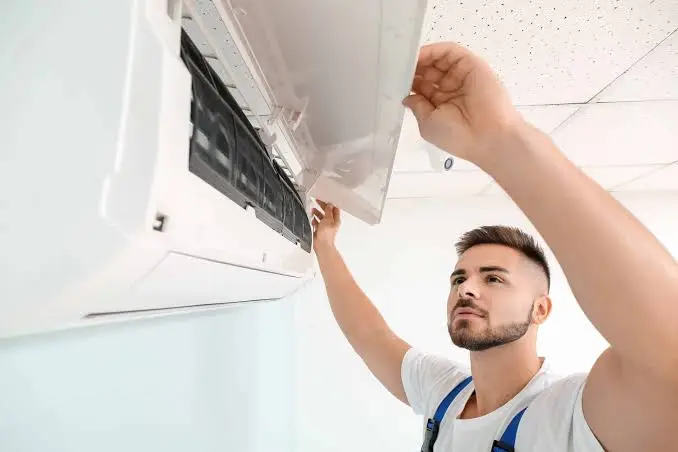
Checklists are what turn a plan into consistent practice. They ensure two different technicians perform the same inspection the same way, and they create records you can show an auditor. Our overview on preventive maintenance checklists explains why digital checklists tied to assets work better than paper.
Step 6: Assign Roles and Decision Rights
Plans fail at the handoffs. Spell out who does what.
| Role | Responsibility in the plan |
|---|---|
| Facilities director or manager | Owns the plan, approves changes, reports to leadership, manages budget |
| Campus lead or head custodian | Day-to-day coordination at each building, first-line inspections |
| Maintenance technicians | Execute tasks, record findings, flag defects |
| External contractors | Specialist and licensed work, such as fire systems, backflow testing, boilers, elevators |
| Principals and administrators | Approve access and timing for work, report issues, support closure windows |
| Superintendent and board | Approve funding, receive performance reports |
Also decide in advance:
- Backups for every critical task so absence does not stop the work
- Escalation rules for overdue items, with safety and compliance tasks escalating fastest
- Approval thresholds for repairs found during inspections
- Communication routes so principals know when work will affect their building
Clarity here prevents the classic situation where everyone assumed someone else had booked the fire alarm inspection.
Step 7: Plan the Budget Around the Plan
One of the biggest benefits of a written plan is that it makes budgeting predictable. Instead of arguing for money after each failure, you can show what the program costs and what it prevents.
Break the budget into clear lines:
- Labor: in-house technician hours for routine tasks
- Contracted services: licensed inspections and specialist servicing
- Parts and consumables: filters, belts, lubricants, replacement components
- Tools and equipment: test instruments, access equipment, safety gear
- Software: systems for scheduling, work orders, and records
- Contingency: a reserve for defects found during inspections
Then connect the budget to outcomes. If your plan shows that roof drain maintenance costs a small fraction of a single ceiling replacement, say so. If emergency repairs fell after you funded filter and belt replacement, show the numbers.
Keep a separate view of lifecycle planning. Preventive maintenance extends asset life, but eventually boilers, roofs, and chillers need replacement. Recording age, condition, and expected remaining life for major assets lets you forecast capital needs years ahead rather than discovering them in a crisis.
Step 8: Manage Contractors and Vendors Inside the Plan
Most districts rely on outside specialists for fire systems, elevators, backflow testing, boiler certification, and playground audits. These are often the highest-stakes tasks in the plan, so treat them as part of it rather than as separate arrangements.
For each contractor, track:
- The scope of work and the standard it is performed to
- Required licences or certifications
- Contract term and renewal date
- Expected visit window
- What documentation they must deliver, and by when
Book inspection windows well ahead, particularly for work that must happen over summer. Check that reports are received and filed, not just that the visit happened. In an audit, an uncollected report counts as an inspection that did not take place.
Step 9: Choose the Right Tools to Run the Plan
Paper and spreadsheets can carry a small program for a while. They struggle once you have several buildings, mandatory records, and a lean team.
A good test is whether you can answer this in under a minute: which safety and compliance tasks are overdue across the whole district right now? If that requires opening multiple files, the tooling is holding the plan back.
A CMMS (computerised maintenance management system) generates work orders automatically when tasks fall due, assigns them, tracks completion, stores photos and notes, and builds a searchable history for every asset. It also produces the reports a board will ask for. For a detailed look at how this works in practice, read how a CMMS can streamline preventive maintenance.
If your district is evaluating platforms, FacilityBot’s CMMS for schools page shows how the system supports multi-building campuses, compliance records, and mobile work orders for technicians.
Step 10: Measure Performance and Report It
What gets measured gets managed, and what gets reported gets funded. Choose a small set of indicators and report them on a fixed rhythm.
Core indicators for a K-12 plan
| Indicator | What it tells you |
|---|---|
| On-time completion rate | Whether planned work is actually getting done |
| Safety and compliance completion rate | Whether critical tasks are protected from slipping |
| Planned vs. reactive work ratio | Whether the program is shifting from firefighting to prevention |
| Emergency repair volume | Whether prevention is reducing breakdowns |
| Asset downtime and closures | The real impact on teaching and learning |
| Backlog of deferred items | Hidden risk building up over time |
| Average time to close work orders | Responsiveness of the team |
A warning on completion rates: a high overall figure can hide missed safety tasks, or a team can hit a number by choosing easy jobs. Always report safety and compliance completion separately, and compare completion against emergency repair trends. If completion climbs but breakdowns do not fall, the plan needs adjusting.
Reporting to leadership
Keep board and superintendent reports short and visual. A one-page summary showing completion rates, emergency trends, compliance status, and top risks is more useful than a long narrative. Include one or two concrete stories, such as a failure that was caught early thanks to an inspection, because they make the value of prevention tangible.
Step 11: Review the Plan Regularly
A plan is a living document. Build in a review rhythm:
- Monthly: overdue tasks, repeat failures, upcoming compliance deadlines
- Each term: adjust intervals, reallocate resources, and review contractor performance
- Annually: refresh the asset inventory, revisit goals, update the budget, and report results
- After any major incident: review whether the plan missed something
Use failure data as your guide. If a task consistently finds nothing, lengthen the interval. If an asset keeps failing between services, shorten it or investigate the root cause. Over several years the plan becomes more accurate and more efficient.
A One-Page Outline You Can Adapt
Many districts find it useful to keep the plan itself short and structured. A workable outline looks like this:
- Purpose and goals
- Scope (buildings and asset categories covered)
- Risk ranking and priority waves
- Standards and intervals by system
- Roles and responsibilities
- Contractor management
- Budget and resourcing
- Tools and recordkeeping
- Performance measures and reporting
- Review cycle
Keep supporting detail, such as checklists and asset lists, in appendices or your maintenance system, so the plan document stays readable.
Common Mistakes When Building a Preventive Maintenance Plan for Schools
Writing the plan once and filing it. A plan nobody reviews goes stale within a year.
Trying to cover every asset immediately. Start with safety, compliance, and continuity, then expand.
Copying a template without adapting it. Elementary, middle, and high school campuses differ, and so do old and new buildings.
Leaving contractors outside the plan. Their work is often the most compliance-critical.
Ignoring documentation. If it is not recorded, it did not happen as far as an auditor is concerned.
Reporting only the headline number. A single completion percentage hides too much.
Underfunding the basics. Filters, belts, and inspections are cheap compared with the failures they prevent.
Letting reactive work consume everything. Protect time for planned work, or the plan will quietly stop.
Frequently Asked Questions
What is a preventive maintenance plan for schools?
A preventive maintenance plan for schools is a documented strategy for keeping school buildings and equipment in safe, reliable condition through planned inspections, servicing, and testing. It defines goals, scope, priorities, roles, budget, and performance measures, and it drives the schedules and work orders used day to day.
What is the difference between a preventive maintenance plan and a schedule?
The plan explains what the program is trying to achieve, which assets matter most, who is responsible, and how it will be funded and measured. The schedule is the calendar of specific tasks that comes out of the plan.
What should a K-12 preventive maintenance plan include?
At minimum: goals, scope, an asset inventory, risk-based priorities, tasks and intervals, roles, a contractor management approach, budget, tools and recordkeeping, performance measures, and a review cycle.
How do I get started if my district has no formal plan?
Begin with a baseline assessment: list your assets, record what maintenance already happens, and identify compliance gaps. Then rank assets by safety, compliance, and continuity risk, and build the first wave of tasks around the highest-risk systems.
How often should the plan be reviewed?
Review performance monthly, adjust intervals each term, and refresh the full plan every year. Also review it after any significant failure or audit finding.
How can schools pay for preventive maintenance?
Most districts fund it through operating budgets, supplemented by capital funds for lifecycle replacements. A written plan with clear costs and measurable outcomes makes it much easier to justify stable, predictable maintenance funding.
Do small districts really need a CMMS?
Not always on day one, but as buildings, compliance records, and tasks multiply, spreadsheets become hard to trust. Many districts move to a CMMS when they need reliable reminders, mobile work orders, and audit-ready records without adding administrative staff.
How do I measure whether the plan is working?
Track on-time completion (with safety and compliance reported separately), the ratio of planned to reactive work, emergency repair volume, asset downtime, and the backlog of deferred items. Improvement across several of these over time is the clearest sign the plan is paying off.
Simplify School Facility Management with FacilityBot
A strong plan still needs a reliable system behind it. FacilityBot gives K-12 teams one place to run preventive work, track compliance, and report results. Our facilities management software brings work orders, asset history, and inspection records together, so the plan does not depend on one person’s memory or a folder of spreadsheets. As a facility management solution designed for lean teams, it supports multi-building districts, contractor visits, and audit-ready documentation. Because it is cloud based CMMS software, technicians can complete checklists, attach photos, and sign off tasks from any device, while managers track progress across every campus in real time. And with built-in fault reporting software, teachers and staff can flag a leaking tap or a flickering light in seconds, keeping reactive requests visible without derailing planned maintenance. Book a demo to see how FacilityBot can power your preventive maintenance plan for schools.
