
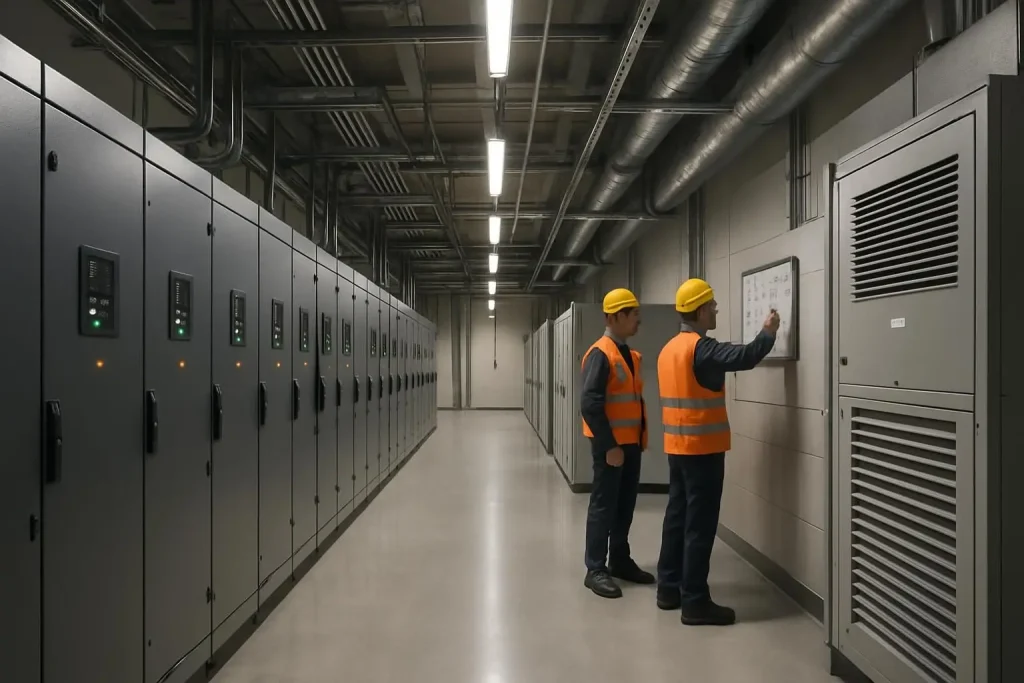
Learn how a CMMS system gives data centres traceable maintenance decisions, audit-ready work orders, preventive maintenance and compliance records.
Category Archives: Facilities Management
CMMS, Facilities Management
Preventive Maintenance: How to Build a Practical Schedule for Facility Assets

Learn how to build a practical preventive maintenance schedule for industrial facility assets, from asset criticality and task design to work orders and review.
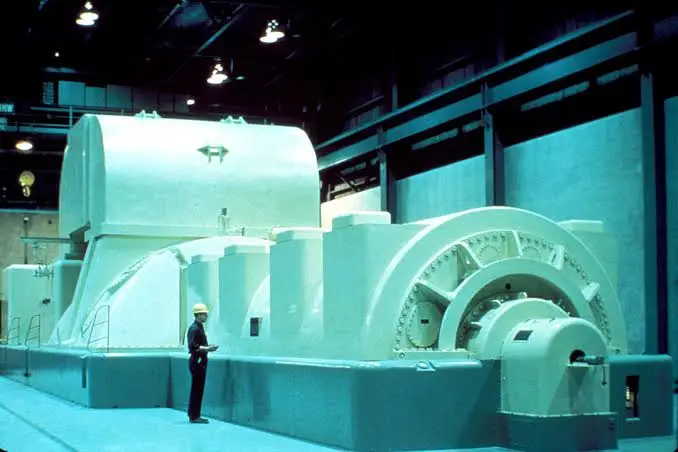
A backup generator that fails to start during a power outage is one of the most expensive surprises a facility manager can face. In a hospital, data center, or high-rise office tower, a few minutes of unplanned downtime can mean disrupted operations, safety risks, or regulatory non-compliance. The first line of defense against that scenario
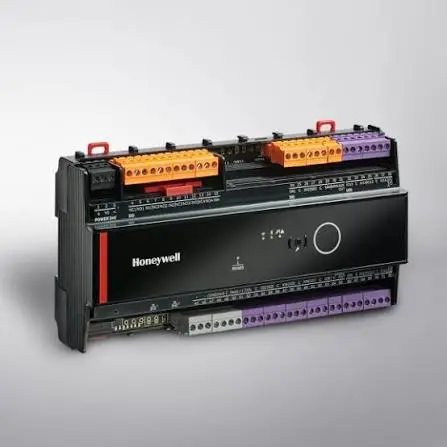
A building automation system is only as useful as the alarms it raises. When a Honeywell burner management controller trips into lockout, the code on the display is the difference between a five-minute reset and an unplanned shutdown that drags into hours. For facilities and maintenance teams running Honeywell 7800 Series relay modules, or any

Ask five different vendors what their facilities AI assistant does, and you’ll get five different answers. Some describe a chatbot that answers tenant questions. Others mean a predictive engine that flags failing equipment weeks in advance. A growing number are pitching something closer to an autonomous agent that takes action inside a CMMS on its
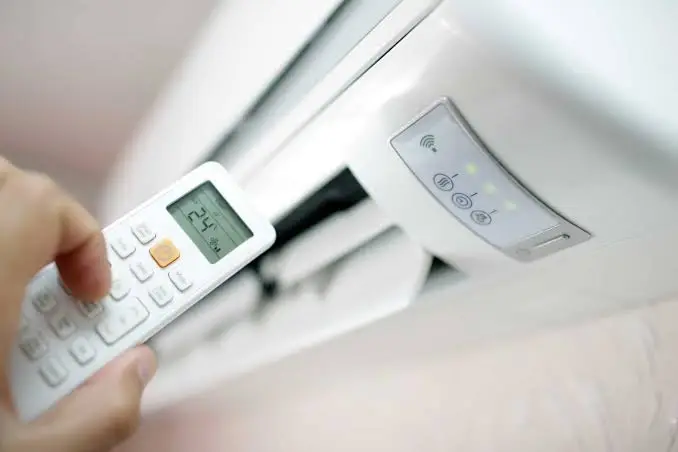
A blinking two-character code on a wall-mounted controller rarely tells the whole story. To the technician standing in front of it, “E7” or “L5” is a starting point, not an answer. Behind every one of these HVAC controller fault codes sits a specific fault condition, a probable cause, and a decision: reset it, monitor it,
Learn the difference between CMMS, FMS, CAFM and ERP software, including whether SAP is a CMMS or ERP and how to choose the right system.

Most facilities teams do not fail at CMMS adoption because they picked the wrong software. They fail because they treated adoption as a training event instead of a change management problem. A kickoff call, a two hour demo, a login email, and then everyone is expected to just start using the system. Technicians are the

Compare e-PTW software and Excel for permit control, compliance, audit trails, mobile work and integrated facilities management.

Agentic AI in Facilities Management: A Complete Guide Facility teams have spent the past several years hearing that AI would transform how buildings are run. Most of what arrived under that banner was dashboards: better analytics, sharper predictions, cleaner reports. Useful, but still passive. Someone still had to read the insight, decide what to do