
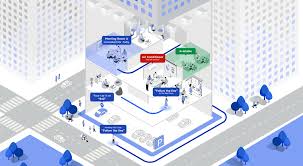
No two buildings are the same. A Grade A commercial tower in the Central Business District operates under entirely different constraints than a suburban industrial park, a tertiary education campus, or a private hospital. The assets are different. The regulatory requirements are different. The occupant expectations are different. The maintenance rhythms, contractor relationships, and escalation
Category Archives: CMMS

Effective communication is the backbone of successful facilities management. From coordinating maintenance teams and vendors to responding to occupant requests and ensuring compliance, facility operations depend on seamless information flow. However, many organizations still struggle with fragmented communication—emails, phone calls, spreadsheets, and disconnected systems often create delays, confusion, and inefficiencies. In a fast-paced and highly

Operational delays in facilities management rarely announce themselves. They accumulate quietly — a work order that sits unacknowledged for two hours, a preventive maintenance task that slips past its due date without anyone noticing, a contractor who misses a deadline while the facilities team assumes the job is progressing. By the time the delay becomes
Service Level Agreements are the contractual backbone of professional facilities management. They define the standards that tenants, building owners, and stakeholders expect — response times, resolution timeframes, maintenance frequencies, and documentation requirements that the facilities management team is formally committed to delivering. When those standards are consistently met, the FM function builds credibility and trust.

Task assignment is one of the most consequential decisions made in a facilities management operation — and one of the least examined. When the right task reaches the right person at the right time, everything flows efficiently. Jobs get done faster, first-visit resolution rates improve, assets stay healthy, and occupants remain satisfied. When the wrong
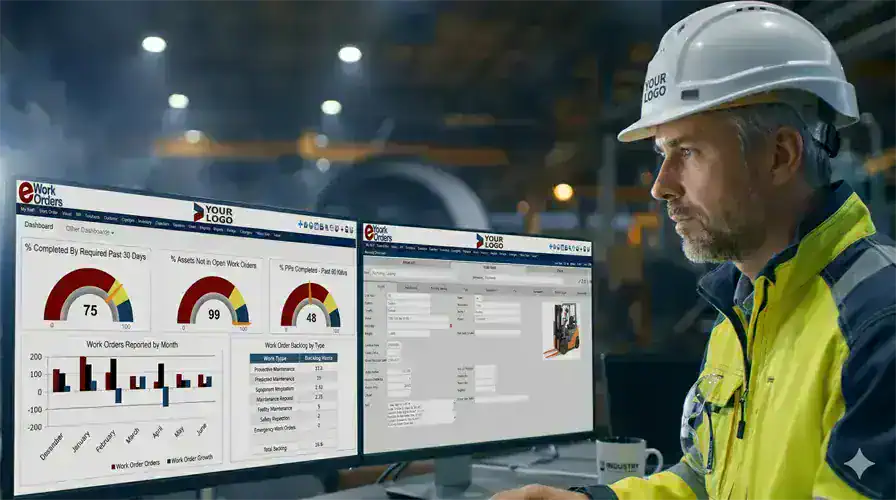
Maintenance management has a coordination problem. The physical work — inspecting equipment, replacing components, diagnosing faults, restoring systems to operational condition — is performed by skilled technicians who know their craft. But surrounding that skilled work is an enormous administrative scaffolding of logging, scheduling, assigning, tracking, documenting, and reporting that consumes a disproportionate share of
Response time is one of the most visible metrics in facilities management. When a tenant submits a maintenance request and hears nothing back for hours, the damage is immediate — trust erodes, frustration builds, and the perception of the entire facilities management function suffers. When the same request is acknowledged within minutes, assigned to the
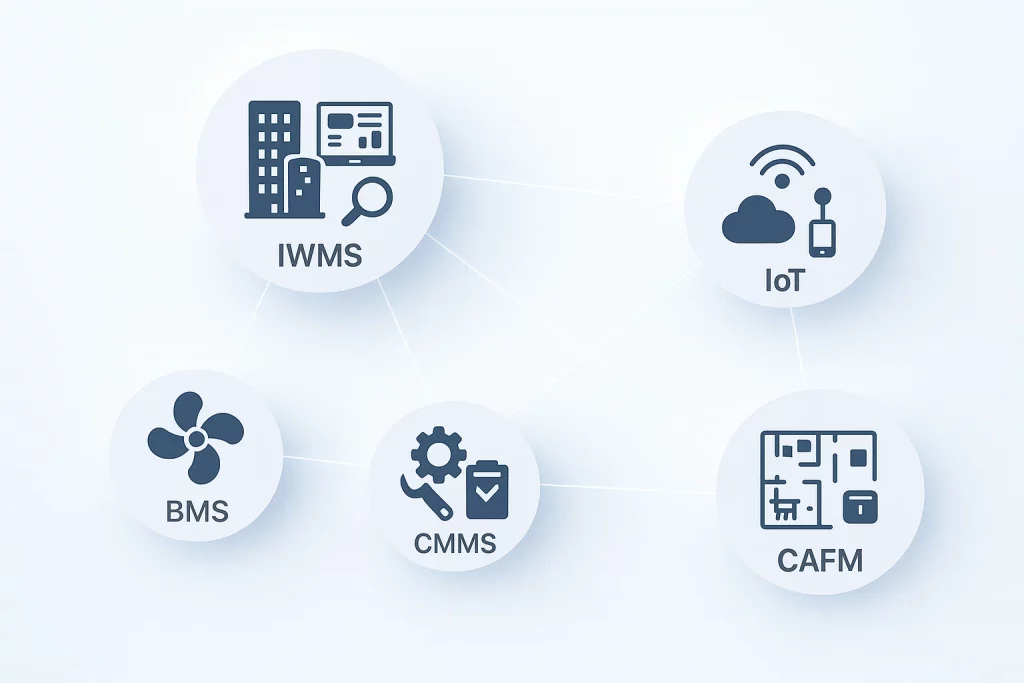
Manual tasks are the silent drain on every facilities management operation. They do not appear as a line item on a budget. They do not show up in a maintenance report. But they consume hours of staff time every single day — and more importantly, they introduce the human error and communication gaps that cause

The role of the facility manager in Singapore has changed beyond recognition over the past decade. What was once a largely operational function — keeping the lights on, fixing what breaks, managing contractor relationships — has evolved into a complex, data-intensive discipline that sits at the intersection of real estate strategy, sustainability compliance, occupant experience,
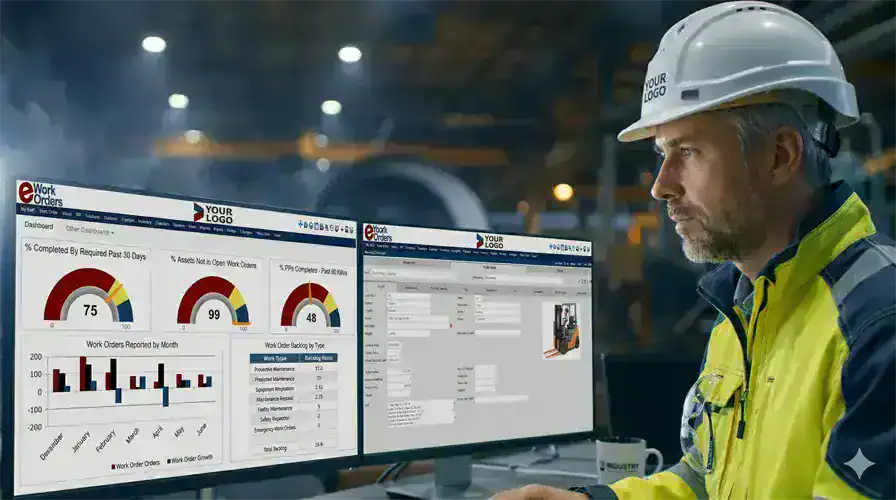
Work orders are the heartbeat of any facilities management operation. Every maintenance request, every inspection, every repair job — it all flows through the work order process. When that process runs smoothly, buildings operate efficiently, assets stay healthy, and occupants remain satisfied. When it breaks down, the consequences ripple outward: delayed repairs, missed compliance deadlines,