
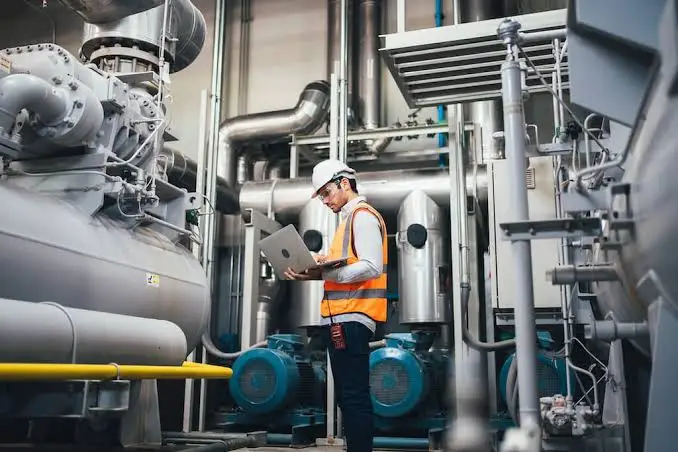
A cracked bearing rarely announces itself. It runs a little hotter, vibrates a little more, and then one shift it seizes and takes a production line down with it. Industrial preventive maintenance exists to catch that bearing weeks before the seizure, not hours after. For plants running heavy machinery around the clock, the gap between
Author Archives: Anns Ahmad
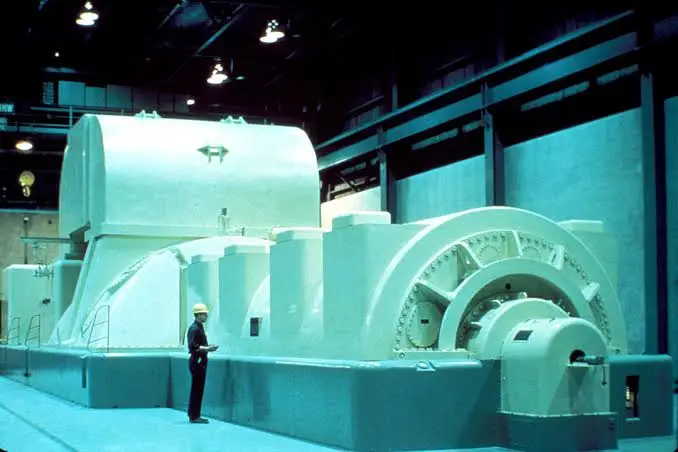
A backup generator that fails to start during a power outage is one of the most expensive surprises a facility manager can face. In a hospital, data center, or high-rise office tower, a few minutes of unplanned downtime can mean disrupted operations, safety risks, or regulatory non-compliance. The first line of defense against that scenario
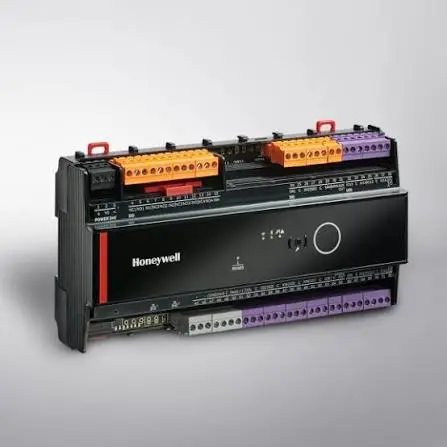
A building automation system is only as useful as the alarms it raises. When a Honeywell burner management controller trips into lockout, the code on the display is the difference between a five-minute reset and an unplanned shutdown that drags into hours. For facilities and maintenance teams running Honeywell 7800 Series relay modules, or any
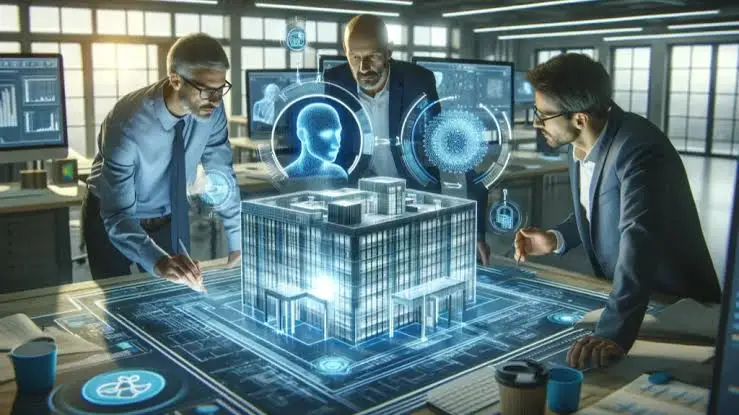
Ask five different vendors what their facilities AI assistant does, and you’ll get five different answers. Some describe a chatbot that answers tenant questions. Others mean a predictive engine that flags failing equipment weeks in advance. A growing number are pitching something closer to an autonomous agent that takes action inside a CMMS on its
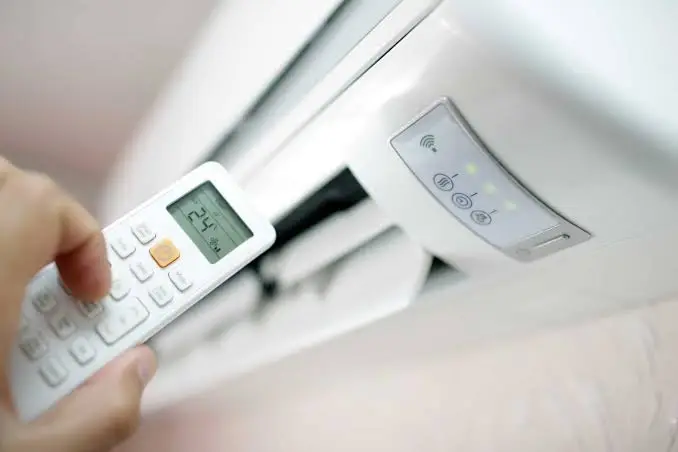
A blinking two-character code on a wall-mounted controller rarely tells the whole story. To the technician standing in front of it, “E7” or “L5” is a starting point, not an answer. Behind every one of these HVAC controller fault codes sits a specific fault condition, a probable cause, and a decision: reset it, monitor it,
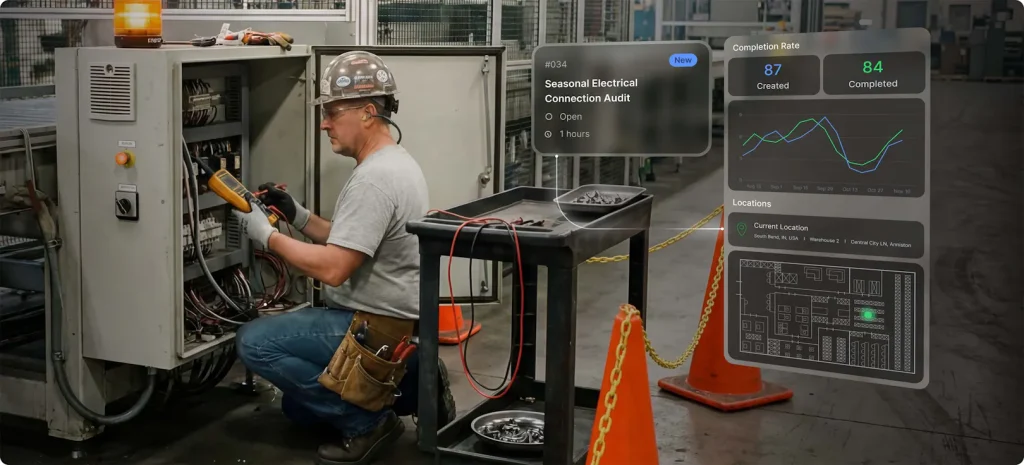
Facilities and maintenance teams spent the last few years asking what AI could do for them. Sort urgent work orders. Predict equipment failure. Summarize technician notes. That question is quickly being joined by a harder one: what will regulators require AI to do, document, and prove before facilities teams can rely on it at all.
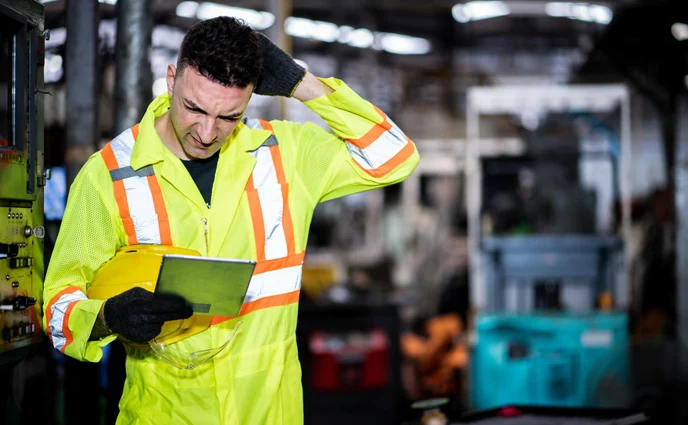
Most facilities teams do not fail at CMMS adoption because they picked the wrong software. They fail because they treated adoption as a training event instead of a change management problem. A kickoff call, a two hour demo, a login email, and then everyone is expected to just start using the system. Technicians are the

Agentic AI in Facilities Management: A Complete Guide Facility teams have spent the past several years hearing that AI would transform how buildings are run. Most of what arrived under that banner was dashboards: better analytics, sharper predictions, cleaner reports. Useful, but still passive. Someone still had to read the insight, decide what to do

Every CMMS vendor evaluation checklist asks about work orders, preventive maintenance, mobile apps, and integrations. Almost none of them ask the question that determines whether any of those features will still exist in three years: is this company financially stable enough to still be operating when your contract renews? That gap matters more in 2026
A chiller rated for 500 tons rarely delivers 500 tons of reliable cooling, year after year, without interruption. A generator rated for 72 hours of continuous run time rarely gets tested under those exact conditions. The number on the nameplate describes what a system can do under controlled, ideal conditions. It says almost nothing about