

In modern facility management, safety, maintenance, and asset performance are deeply interconnected. Organizations no longer operate in silos where safety permits, maintenance schedules, and asset data exist separately. Instead, they require integrated systems that provide a unified view of operations. This is where integrating e-Permit to Work (ePTW) software with CMMS (Computerized Maintenance Management Systems)
Author Archives: Anns Ahmad
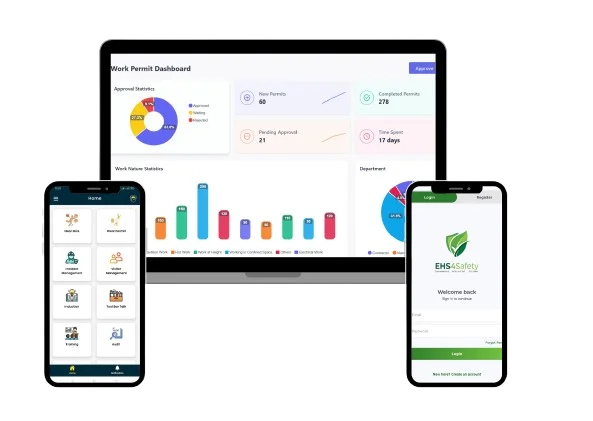
In today’s fast-paced facility management environment, field operations demand speed, accuracy, and strict adherence to safety protocols. Whether it’s maintenance work, inspections, or high-risk tasks like hot work and confined space entry, teams working on-site need real-time access to information and approvals. Traditional paper-based Permit to Work (PTW) systems are no longer sufficient to support
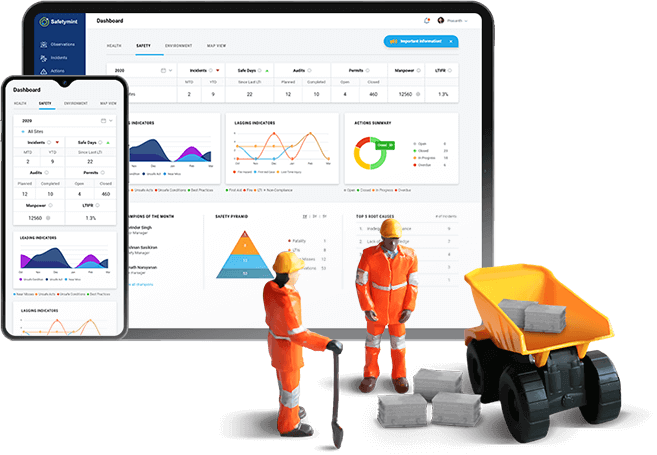
Managing contractors and vendors is a critical part of facility operations, especially in industries where external teams frequently perform high-risk tasks such as maintenance, construction, and equipment servicing. While outsourcing work improves efficiency, it also introduces additional safety risks and compliance challenges. Contractors may not always be fully aligned with internal safety procedures, and without

Workplace safety is a critical priority for organizations managing facilities, infrastructure, and industrial operations. Tasks such as electrical maintenance, confined space entry, hot work, and working at heights can expose workers to significant risks if proper safety procedures are not followed. Many workplace incidents occur not because organizations lack safety policies, but because safety processes
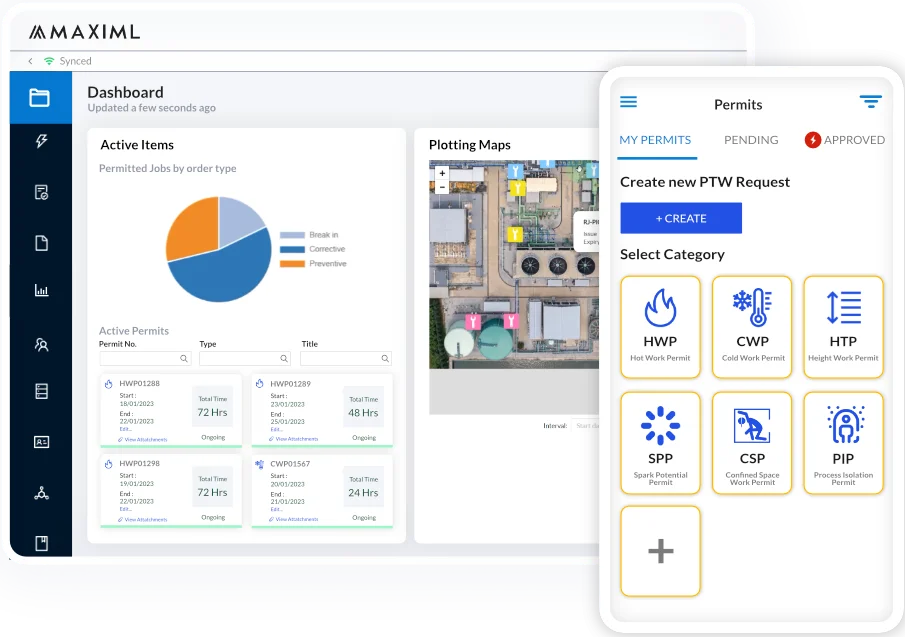
Workplace safety and regulatory compliance are top priorities for facility managers, especially in industries that involve high-risk activities such as electrical maintenance, confined space entry, hot work, and working at heights. Traditionally, organizations relied on paper-based permit-to-work (PTW) systems to authorize such tasks. However, manual processes often lead to delays, missing documentation, and compliance gaps.
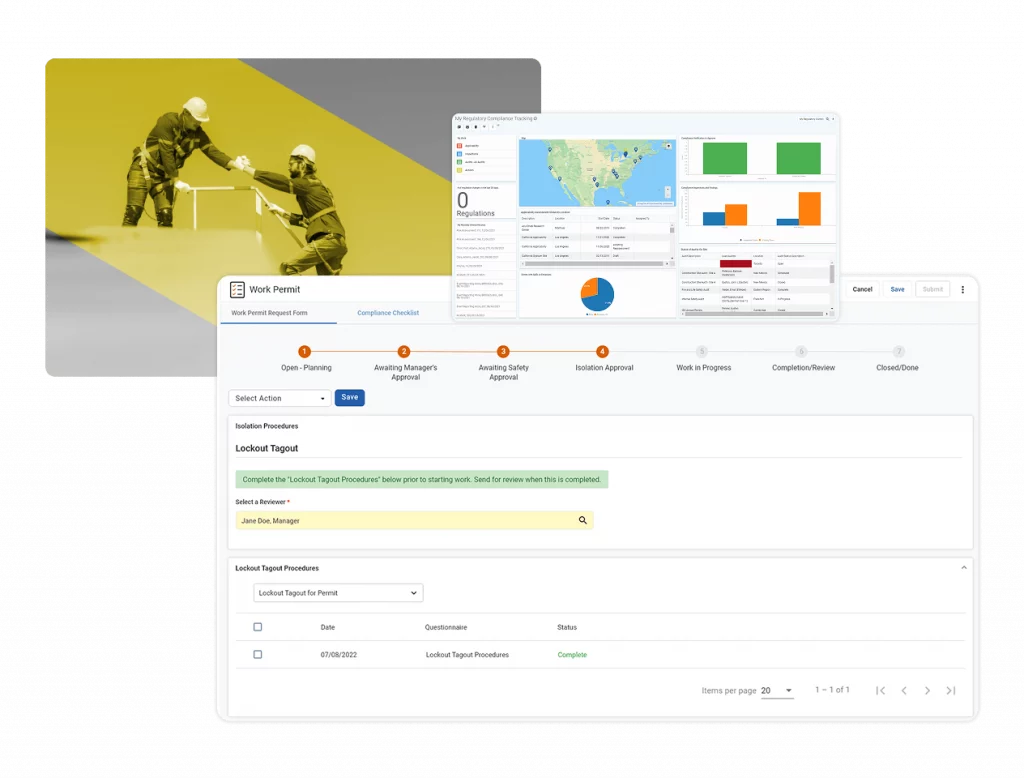
Every day, maintenance technicians, contractors, and facility engineers carry out work that could — if improperly managed — result in serious injury or death. Whether it’s hot work near flammable materials, confined space entry, work at heights, or live electrical maintenance, these tasks carry inherent risks that demand rigorous control measures. Traditionally, permit to work
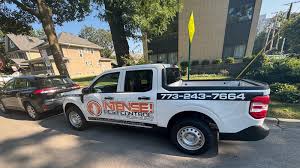
Pest issues in Chicago—whether rodents, insects, wildlife, or seasonal infestations—can disrupt operations, damage property, and create serious health risks. From multi-family residential buildings and restaurants to warehouses and office facilities, professional pest control services are essential for maintaining compliance and protecting assets. To help facility managers, property owners, and business operators make informed decisions, FacilityBot

Workplace safety has always been a top priority for organizations, especially in high-risk industries such as construction, manufacturing, oil & gas, healthcare, and facilities management. In Singapore—where regulatory compliance and workplace safety standards are strictly enforced—companies must adopt smarter systems to manage operational risks effectively. Traditional paper-based permit-to-work processes are no longer sufficient. Manual approvals,
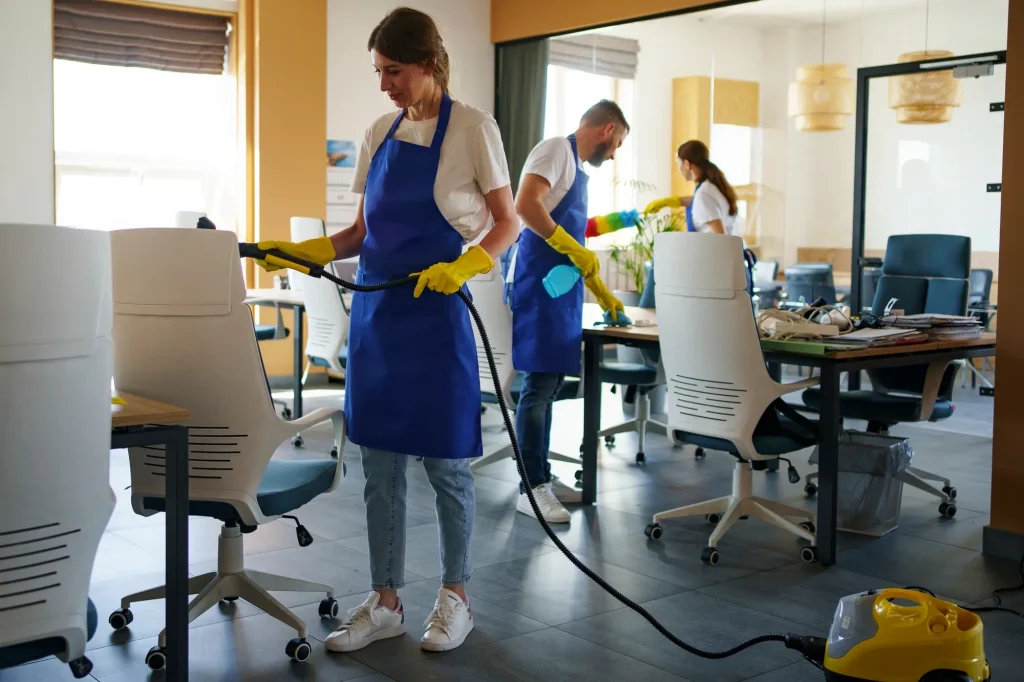
Security is more than just having a presence at the door—it’s about protecting people, property, and business continuity. From commercial office buildings and construction sites to retail stores, residential complexes, and private events, Chicago businesses rely on professional security guard companies to maintain safety and reduce risk. To help facility managers, property owners, and business
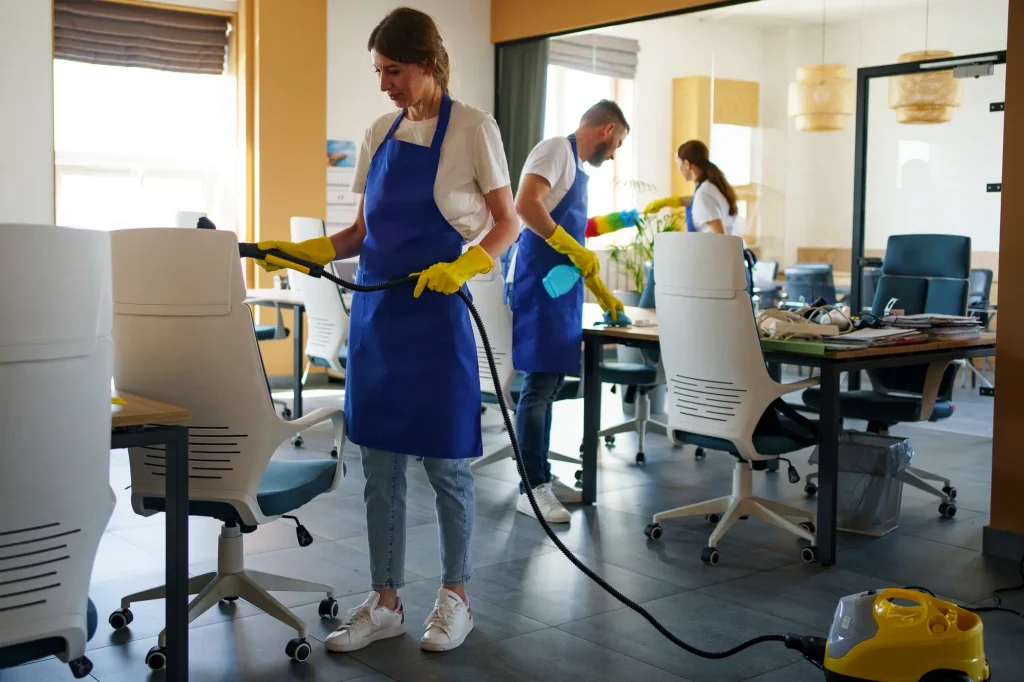
Keeping commercial spaces clean isn’t just about appearance—it directly impacts employee productivity, customer confidence, and overall workplace health. From high-rise offices in The Loop to medical facilities, retail stores, and multi-tenant buildings across Chicago, businesses rely on professional commercial cleaning companies to maintain sanitation, compliance, and presentation standards. To help facility managers and property owners