
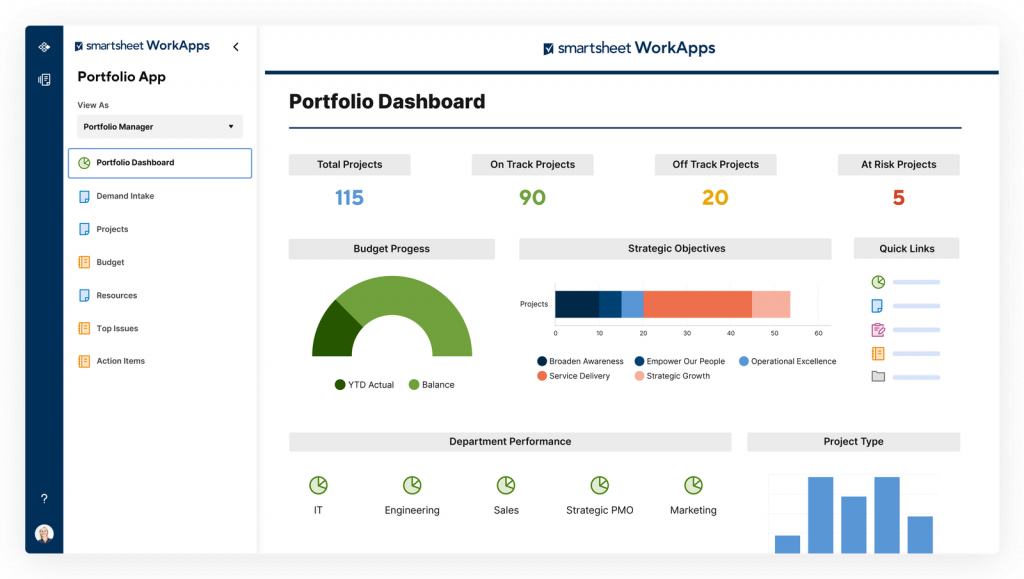
Plan Smarter. Track Better. Build Profitably. Managing your construction project’s budget shouldn’t feel like juggling numbers in the dark. With Facility Bot’s Construction Budget Management Software, you get a powerful, user-friendly budget management system software designed to help contractors, developers, and project managers control costs, forecast accurately, and maximize project profitability — all from a
Author Archives: Anns Ahmad

Procurement is one of the most crucial functions in any organization, directly impacting operational efficiency, cost savings, and long-term growth. At the heart of this function stands the Procurement Manager — the professional responsible for overseeing and optimizing the purchasing processes that support an organization’s strategic goals. But what exactly is the role of a
Facilities Management, Fault Reporting
FacilityBot Fault Reporting Software: Streamline Issue Reporting and Resolution
Keeping facilities in top condition requires an efficient system for reporting and resolving faults. FacilityBot’s fault reporting software is designed to simplify and accelerate the fault management process, ensuring that maintenance teams can address issues promptly and prevent small problems from escalating into costly repairs. Try our fault reporting app and simplify issue tracking now!
asset management, Facilities Management
Streamline Your Process with Facility Bot’s Cloud-Based Facility Asset Management Software
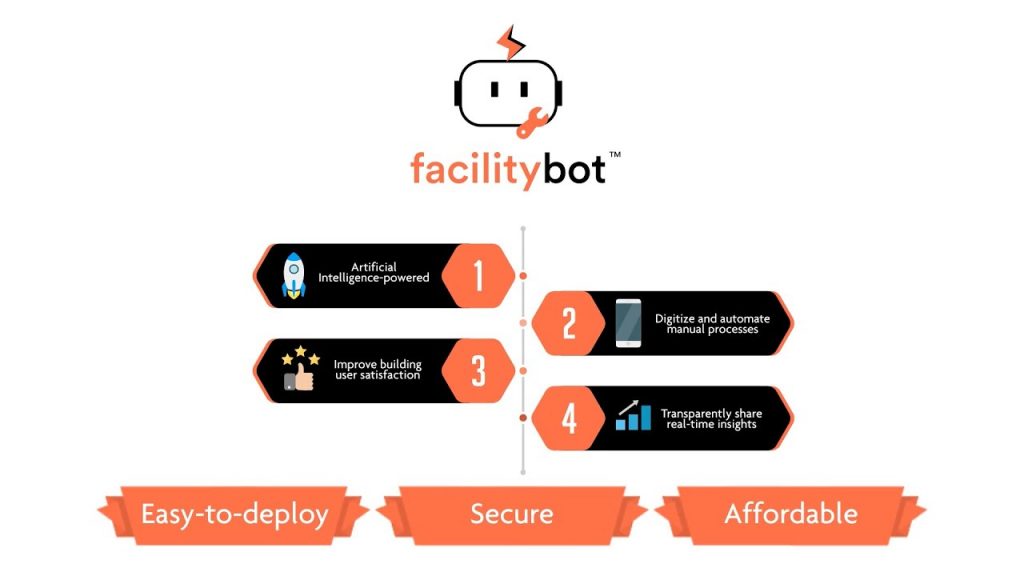
Facility Bot’s cloud-based Facility Asset Management Software streamlines asset tracking, maintenance, and lifecycle management—enhancing efficiency and reducing costs with a scalable, cloud-based solution. Schedule a Demo | Contact Us Why Choose FacilityBot for Facility Asset Management? FacilityBot offers an advanced asset management system software that goes beyond simple asset tracking. Our software enables businesses to:
Facilities Management, Procurement Management
What is the Role of Procurement in Facilities Management?

In the ever-evolving world of facilities management, procurement often operates behind the scenes — but its impact is nothing short of critical. While daily operations and maintenance tasks take center stage, the role of procurement is a strategic pillar that ensures the success, efficiency, and resilience of facilities management operations. Understanding this role of FM
Facilities Management
Difference Between Facilities and Procurement Manager: Roles, Responsibilities, and Key Skills

In modern organizations, the seamless functioning of infrastructure, services, and procurement systems is critical to operational success. Two essential roles that drive this efficiency are the facilities and procurement manager. While these titles are often grouped together, their responsibilities are distinct, yet highly complementary. Understanding the difference between these roles is key to optimizing performance,

In an era where digital transformation is revolutionizing business operations, remote facilities management has emerged as a game-changer for how organizations maintain and oversee buildings and infrastructure. This technology-driven approach to managing facilities offers real-time control, enhanced efficiency, and significant cost savings—making it essential for modern facility managers. This guide covers everything you need to
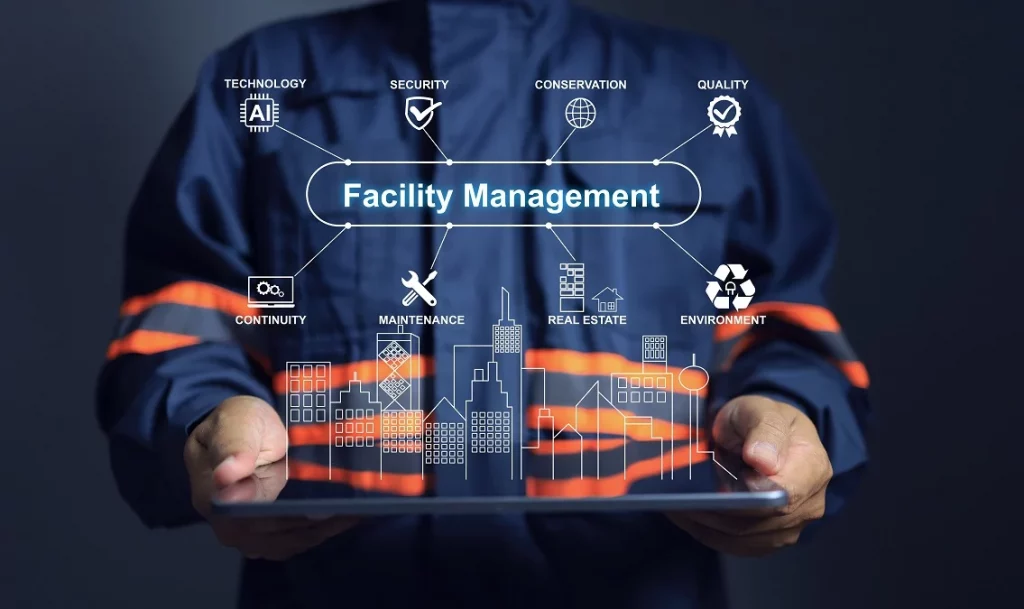
Facilities management (FM) plays a crucial role in ensuring the functionality, comfort, safety, and efficiency of our built environments. From the buildings where we work to the spaces we live and learn in, facilities management supports the daily operations of infrastructure and ensures smooth business continuity. But what are the two core levels of facilities

In the world of real estate and building operations, two essential terms often surface — property management and facility management. While these roles may seem similar and are sometimes used interchangeably in casual conversations, understanding their differences is crucial, especially in professional and commercial settings. Both disciplines play vital roles in ensuring that buildings run

Artificial Intelligence (AI) is reshaping the landscape of facilities management by delivering smarter, more efficient, and data-driven operations. From predictive maintenance to optimizing energy use, AI offers facility managers unprecedented insights and automation capabilities, allowing them to shift from reactive to proactive strategies. Here’s a closer look at how AI is being used in facilities