

In any organization, maintaining operational efficiency depends on quick identification and resolution of problems. The fault reporting mechanism is a structured process that allows employees, technicians, or users to report defects, malfunctions, or irregularities in systems, equipment, or facilities. This mechanism ensures issues are logged, tracked, and addressed systematically to minimize downtime and prevent disruptions.
Author Archives: Anns Ahmad
Modern offices are complex environments that require seamless coordination of resources, maintenance, and services to keep operations running smoothly. Office facilities management software is a digital solution designed to help organizations manage their office spaces, assets, maintenance activities, and service requests efficiently. By centralizing these functions, it ensures that office environments remain safe, functional, and

Modern workplaces are rapidly evolving, and organizations need tools that help them maximize efficiency, improve collaboration, and manage resources effectively. This is where workspace management software comes into play. It’s a digital solution designed to help businesses manage their physical office spaces, employee schedules, and resources, ensuring optimal utilization and productivity. Understanding Workspace Management Software
In today’s fast-paced environment, businesses are increasingly relying on facility management software to streamline operations, improve efficiency, and reduce costs. Building a robust facility management solution involves careful planning, the right technology stack, and a focus on the needs of both facility managers and end-users. What is Facility Management Software? Facility management software (FMS) is
Facilities Management, Fault Reporting
What is Reporting Software in Facilities Management?Streamline Operations, Improve Decision-Making & Enhance Fault Reporting
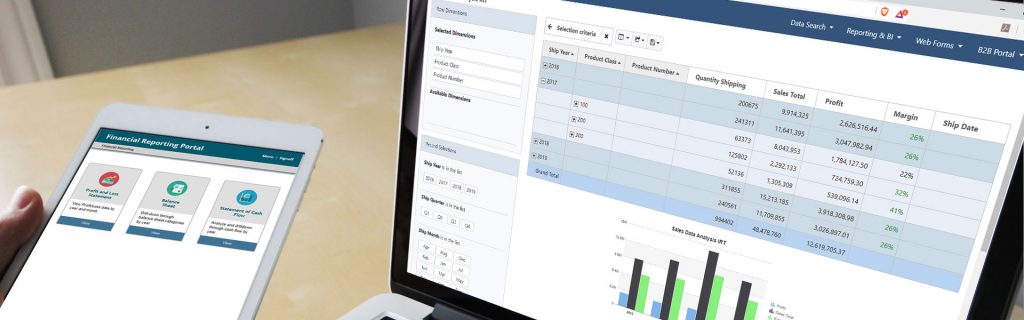
In today’s data-driven world, facilities management has become more than just overseeing buildings and services—it requires strategic planning, real-time data insights, and effective decision-making. At the heart of this transformation lies reporting software. Whether it’s for tracking work orders, monitoring asset performance, or analyzing maintenance budgets, reporting tools are essential to streamline operations and maintain
Facilities Management, Fault Reporting
What is the Fault Reporting Process?Why a Strong Reporting System is Essential for Effective Maintenance
Efficient maintenance is not just about fixing things when they break — it’s about identifying faults early, tracking issues systematically, and resolving them before they escalate. This is where a well-structured fault reporting process becomes essential. In today’s fast-paced operational environments, the ability to capture, report, and respond to faults in a timely manner can
In today’s fast-paced digital economy, organizations rely on a wide range of physical and digital assets—from computers and machinery to software licenses and vehicles—to run operations efficiently. But without the right system in place, managing these assets can become chaotic, leading to lost resources, downtime, and compliance issues. That’s where an asset management tool becomes
Effective asset management is crucial for maximizing the value, performance, and lifecycle of an organization’s assets. Whether managing physical infrastructure, equipment, or digital assets, the approach must be systematic and aligned with strategic objectives. A commonly referenced framework is the 5 P’s of Asset Management, which offer a structured methodology for success. Let’s explore each
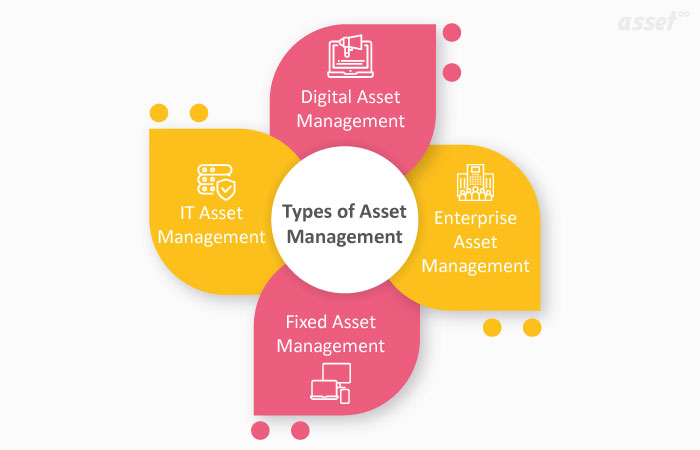
Asset management is the strategic process of developing, operating, maintaining, and selling assets in a cost-effective way. It plays a crucial role across industries, ensuring that assets deliver value throughout their lifecycle. From buildings and equipment to digital systems and intellectual property, effective asset management helps organizations make informed decisions, reduce downtime, and improve performance.
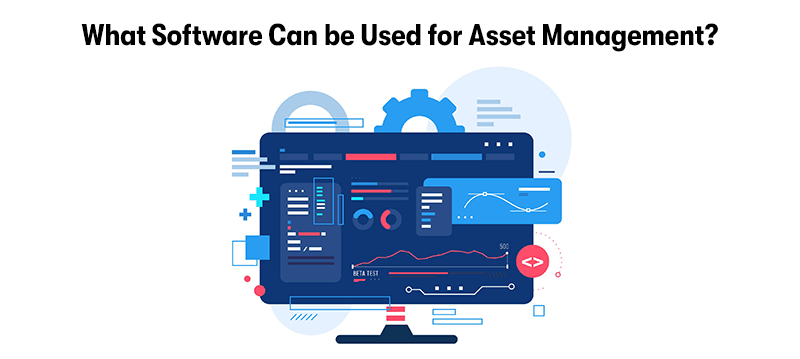
Asset management software has become a vital tool for organizations looking to monitor, track, and optimize the use of their physical and digital assets. From IT infrastructure and equipment to real estate and machinery, managing assets efficiently is critical to reducing costs, improving productivity, and ensuring regulatory compliance. But with many options on the market,